Level 1 vs Level 2 EV Charger Home Guide
Level 1 vs Level 2 Home EV Charger: Which One Do You Need?
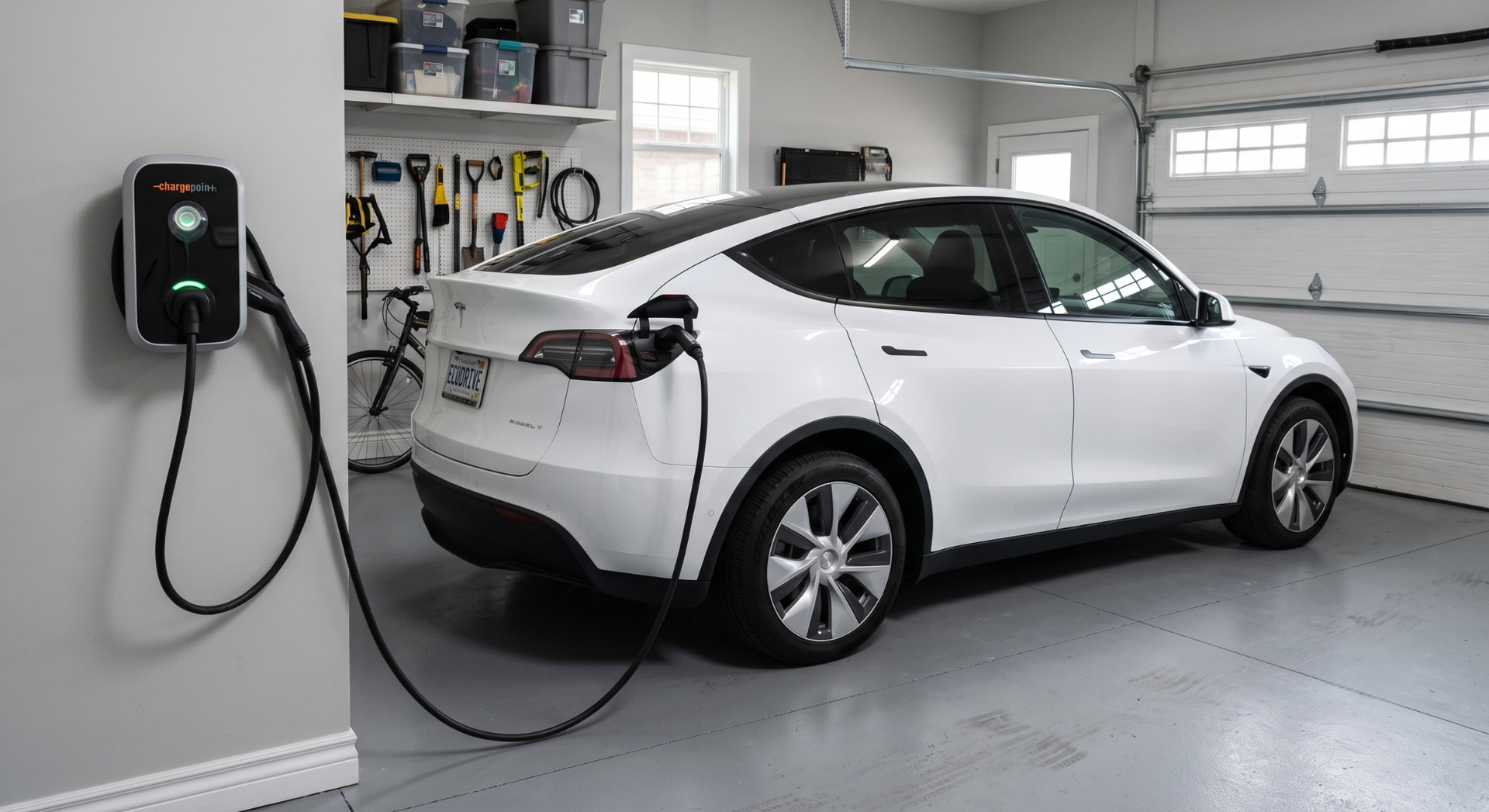
Driving an electric vehicle off the lot in San Francisco is an exciting milestone. However, the excitement quickly fades when you plug into a standard wall outlet and realize your car only gains three miles of range per hour. EV owners soon hit the same crossroad: stick with the basic factory charger or upgrade to a faster option.
Choosing between a Level 1 and Level 2 charger depends on your daily commute, your car's battery capacity, and your home’s electrical setup. Driving across town or navigating steep hills uses up battery fast, making efficient charging at home essential.
Understanding the technical differences, installation requirements, and long-term costs helps you make a practical decision. Here is everything you need to know about choosing the right charger for your EV.
What Is a Level 1 EV Charger?
A Level 1 charger is the standard cord that comes packed in the trunk of most new electric vehicles. It plugs directly into a standard 120-volt household outlet, the same outlet you use to plug in a lamp or charge a phone. Because it uses standard household voltage, it requires no special equipment or immediate electrical modifications to start using it.
Charging Speed and Performance
Level 1 chargers deliver between 1.2 to 1.4 kilowatts of power. In real-world driving terms, this adds about 3 to 5 miles of range per hour of charging. If you plug in your car for 12 hours overnight, you will gain roughly 36 to 60 miles of total range.
Who Should Use Level 1?
Level 1 charging works fine for drivers with short daily commutes or plug-in hybrid (PHEV) owners. If you drive fewer than 30 miles a day and can leave your car plugged in for 10 to 14 hours continuously, a Level 1 charger will meet your basic needs without extra equipment costs.
What is a Level 2 EV Charger?
A Level 2 charger operates on a 240-volt electrical circuit—similar to what heavy appliances like electric clothes dryers or kitchen ranges use. Level 2 units can be mounted on a garage wall or exterior post and are either hardwired into your electrical system or plugged into a heavy-duty 240V outlet.
Charging Speed and Performance
Level 2 chargers operate between 3.8 to 19.2 kilowatts, though most residential models run around 7.6 to 11.5 kilowatts. This delivers the fastest home EV charging available, adding 25 to 40 miles of range per hour. A fully depleted EV battery can fully recharge in 4 to 8 hours.
Who Should Use Level 2?
Level 2 is the best choice for full battery-electric vehicle (BEV) owners, multi-EV households, and long-distance commuters. If you rely on your EV every day or need to top off quickly between trips, Level 2 provides speed and peace of mind.
Key Differences: Level 1 vs Level 2 Comparison
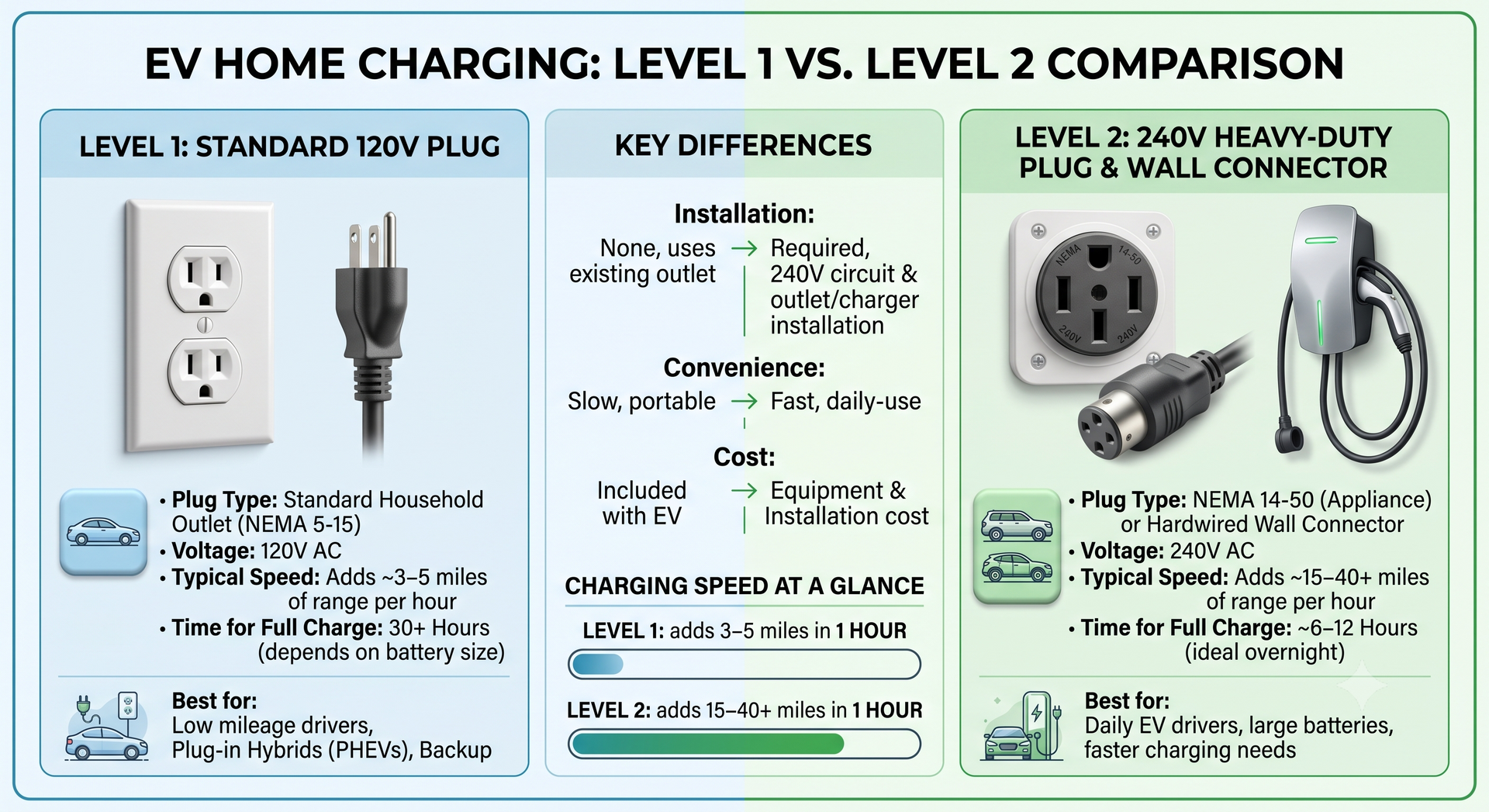
Comparing charging options comes down to three main factors: speed, equipment costs, and electrical infrastructure needs.
Charging Speed and Convenience
Level 1 charging requires long, uninterrupted power sessions. If you return home with a low battery, a Level 1 charger might take over 40 hours to reach a full charge. Level 2 charges overnight, giving you a full battery every morning regardless of how low it was the night before.
Equipment and Installation Costs
Level 1 costs zero additional money upfront if your vehicle came with a charging cord and you have an accessible 120V outlet. Level 2 requires purchasing a dedicated charging unit (typically $350 to $700) plus professional installation. Total costs depend on your electrical system's capacity and distance from the panel to the vehicle.
Level 2 Charger Panel Requirements
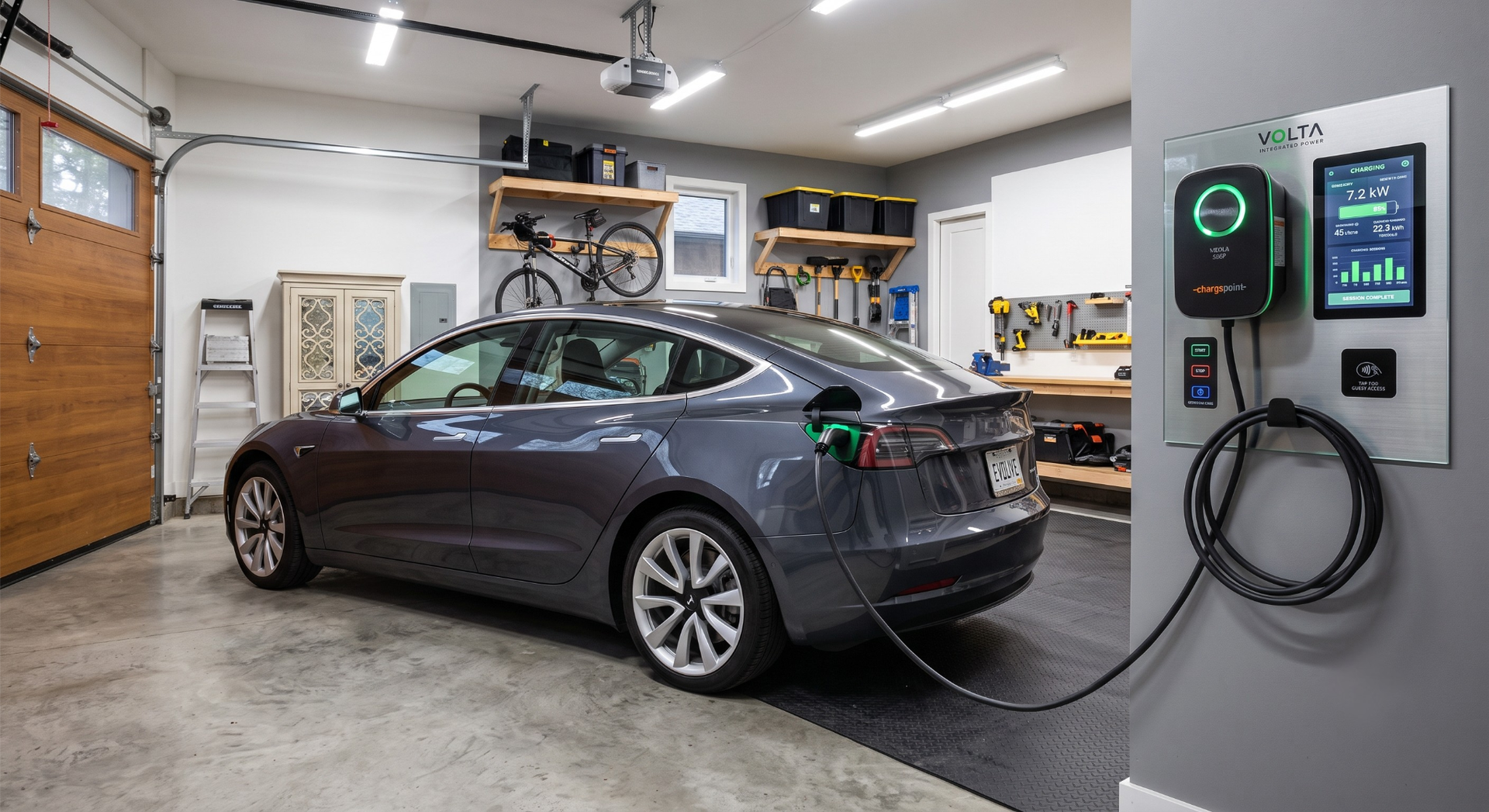
Installing a Level 2 unit requires dedicated electrical capacity. Level 2 chargers draw significant power continuously, requiring a dedicated 240-volt circuit breaker (usually 40 to 60 amps).
Many older residential power systems lack space or total amperage capacity to handle a Level 2 charger alongside existing household loads. Older 100-amp service panels often need upgraded equipment to safely handle the additional demand. Professional installers verify that your service panel, electrical wiring, and grounding meet code before setting up your charger.
Why San Francisco Homes Need Professional EV Charger Setup
San Francisco homes often present unique electrical challenges. Many properties feature aging electrical systems, tight garage spaces, or exterior parking arrangements that require specialized mounting solutions.
Older residential structures in neighborhoods like the Sunset or Richmond districts often run on legacy electrical systems that are already operating near maximum capacity. Attempting a home EV charger installation SF project without evaluating your load capacity can cause frequent breaker trips or create severe safety risks. Experienced local technicians evaluate your home's wiring to ensure your charging system runs safely and efficiently.
Schedule an EV Charger Installation Assessment Today
Ensure your home is ready for fast, safe EV charging. Knob n Tube Remove provides expert electrical evaluations and EV charger setups tailored to your property. Call 415-822-4200 today to book a home EV charger installation assessment with our team.
Frequently Asked Questions
Can I plug a Level 2 charger into a regular outlet?
No, standard wall outlets only provide 120 volts. A Level 2 charger requires a 240-volt supply, which requires a dedicated double-pole circuit breaker and an upgraded outlet type (such as a NEMA 14-50) or a hardwired installation.
Do I need to upgrade my electrical panel for a Level 2 charger?
It depends on your current panel capacity and household electrical load. If your main electrical panel is 100 amps or smaller, or if your breaker box is completely full, an upgrade to a 200-amp panel may be required to safely power a Level 2 charger.
Is it safe to charge an EV outdoors in the rain?
Yes, modern Level 2 chargers are weather-rated (typically NEMA 3R or NEMA 4) specifically for outdoor installation. The physical plugs and internal charging electronics are sealed to prevent moisture exposure and protect against electrical shocks.
How much money does charging at home save compared to public chargers?
Home charging usually costs significantly less than public fast-charging stations. Public fast chargers charge premium rates for rapid power, while home charging allows you to take advantage of residential off-peak electricity rates overnight.
Upgrading to a Level 2 EV charger gives you fast, convenient charging right in your driveway or garage. By matching your charging equipment to your daily driving habits and home electrical system, you get reliable performance without overloading your power grid. Call Knob n Tube Remove at 415-822-4200 to schedule your installation assessment today.